
Traditional loyalty programs are broken; RONET Wallet blockchain rewards fix these inefficiencies by replacing expiring points and complex redemption rules with liquid, decentralized assets. This approach addresses the multibillion-dollar problem of unredeemed rewards, ensuring customers retain their value while brands build deeper, relationship-driven engagement.
Most business owners believe their loyalty programs drive retention, yet the reality is a graveyard of unspent points and disengaged customers. Legacy systems treat rewards as a liability to be managed rather than an asset to be utilized. This approach creates a massive ownership gap where users have no real control over their earned value. When points expire or remain trapped in single-brand silos, the promise of loyalty becomes an illusion that frustrates users and wastes marketing spend. In this article, we examine the systemic failures of traditional rewards, including the lack of liquidity and the centralized control that limits growth. You will discover how the RONET Wallet leverages blockchain technology to restore true ownership. We will explore how a transparent, interconnected ecosystem turns static rewards into dynamic digital assets that benefit both local businesses and their loyal communities.
The Illusion of Loyalty: Why Your Reward Points Are Letting You Down
Every year, a staggering $360 billion in loyalty value goes unredeemed globally. This figure represents more than just forgotten points; it is the financial manifestation of a fundamental disconnect between businesses and their customers. While the average household is enrolled in over 15 different reward programs, industry data confirms they actively use fewer than half. The rest sit idle, gathering digital dust until they eventually expire.
This stagnation occurs because traditional loyalty programs are broken. Most legacy systems are siloed, transaction-based structures that prioritize a business’s data collection over the customer’s actual experience. In these models, points act as a form of 'company scrip', which is currency that only has value within a single shop or chain. This lack of flexibility forces customers to navigate a fragmented landscape of apps and cards, leading to high abandonment rates and low perceived value. For the business, this results in a mountain of balance sheet liability; for the customer, it results in a drawer full of useless plastic.
Based in Esposende, Portugal, RONIN is disrupting this outdated model by building the first global loyalty infrastructure powered by blockchain technology. We believe rewards should be assets, not liabilities. By utilizing RONET Wallet blockchain rewards, we enable businesses to issue tokens that live within a shared digital rewards ecosystem. This shift moves the power from the corporation back to the consumer, ensuring that loyalty is earned through genuine value rather than restrictive silos. As we expand and seek country partners to scale this decentralized network, we are proving that blockchain can turn a broken $360 billion problem into a functional, liquid global economy.
The Three Core Failures of Legacy Loyalty Systems
The current model of customer engagement relies on outdated structures that fail to account for modern consumer behavior. When we analyze why traditional loyalty programs are broken RONET Wallet blockchain rewards offer a necessary evolution, we must first address the three structural flaws that undermine the relationship between a local business and its patrons.
### Fragmentation The sheer volume of individual loyalty schemes creates a cognitive tax on the consumer. Research indicates the average household is enrolled in over 15 programs, yet managing 15 different apps, physical cards, or login credentials creates a logistical burden. This fragmentation leads to a friction-heavy experience where the customer often forgets they even have a balance. Consequently, recent statistics show a 40 percent abandonment rate. When a customer at a cafe in Esposende has to download a specific app just for one free coffee, the barrier to entry often outweighs the incentive.
### Arbitrary Expiration Traditional systems are designed with breakage in mind; points are often programmed to expire faster than the milk in a grocer's fridge. From a corporate accounting perspective, expiring points remove a liability from the balance sheet, but from a customer perspective, it feels like a breach of trust. When rewards vanish due to an arbitrary calendar date, the loyalty the business hoped to foster is replaced by frustration. Unlike a shared digital rewards ecosystem, these legacy points are temporary marketing tools rather than permanent assets that retain value over time.
### Lack of Portability Value in a legacy system is trapped within a silo. If you earn points at a specific gym in Braga, those points have zero utility at the restaurant next door or the boutique down the street. This lack of portability renders the reward useless unless the customer returns to the exact same location under specific conditions. It ignores the reality of a globalized, mobile economy. RONIN is solving this by seeking country partners to help bridge these geographical and digital gaps, ensuring that reward value is mobile and stays with the user, regardless of where they choose to shop next. By removing these silos, we transform a static point into a functional asset within the RONET Wallet blockchain rewards infrastructure.
Why Loyalty Points Expire Unused and Who Really Profits
The question of why loyalty points expire unused is answered by a specific accounting term: breakage. In the legacy model, every point issued sits on a company's balance sheet as a financial liability. When those points go unredeemed or reach an expiration date, that liability is removed, essentially turning unpaid rewards into immediate profit. This creates a structural conflict of interest where the business actually benefits when a customer fails to engage with the program. Because traditional loyalty programs are broken RONET Wallet blockchain rewards offer a fundamentally different approach to value retention.
At RONIN, we reject the notion that a reward should be a disappearing debt for the business. Instead, we view it as a persistent digital asset. When a customer earns RONET, it belongs to them indefinitely; it does not vanish to satisfy a quarterly earnings report. This philosophy transforms the reward from a temporary marketing gimmick into a permanent bridge between the consumer and the shared digital rewards ecosystem. By ensuring rewards do not expire, we maintain a constant connection that encourages long term participation rather than one-off transactions. As we collaborate with country partners to scale this infrastructure, our goal is to eliminate breakage entirely, replacing it with a liquid network where value is preserved and utilized, not discarded for a short term accounting win.
Traditional Loyalty Programs Are Broken: The Ownership Gap
The fundamental issue with legacy loyalty is a lack of custody. When a customer participates in a standard rewards scheme, they do not own the points; they hold a revocable promise. These points exist as entries in a private database controlled entirely by the issuing corporation. Because traditional loyalty programs are broken RONET Wallet blockchain rewards offer a necessary alternative by shifting the underlying architecture from centralized databases to a decentralized ledger.
In a traditional setup, the company retains the right to unilaterally change the rules of engagement. They can devalue the points overnight, effectively slashing the customer's earned value without consent. They can also terminate accounts or shutter the program entirely, leaving participants with nothing. This creates a power imbalance where the consumer carries all the risk while the business holds all the control. The value is contingent on the business's continued permission.
Blockchain technology fundamentally redefines this relationship through the principle of true digital ownership. When a customer earns RONET, that token is transferred to their private RONET Wallet. At this point, the business no longer has the authority to take those rewards back or dictate how they must sit dormant. The reward becomes a digital asset, held by the user rather than the issuer. This shift ensures that the value earned at a local shop in Esposende remains a permanent part of the user’s portfolio within the shared digital rewards ecosystem. By removing the ability for businesses to arbitrarily devalue or delete rewards, we establish a foundation of trust that is impossible to achieve in siloed legacy systems. This is why we are actively seeking country partners to help implement this ownership-first model on a global scale.
How the RONET Wallet Fixes the Broken Rewards Model

The RONET Wallet addresses the inefficiencies of legacy systems by establishing a technical foundation built on interoperability. While other platforms attempt to fix engagement by simply gamifying participation, they often lack the underlying infrastructure to make rewards portable across different brands. RONIN solves this by utilizing a single, unified token. This shared digital rewards ecosystem ensures that value is not trapped within the walls of the issuing establishment; instead, it becomes a fluid asset that travels with the customer.
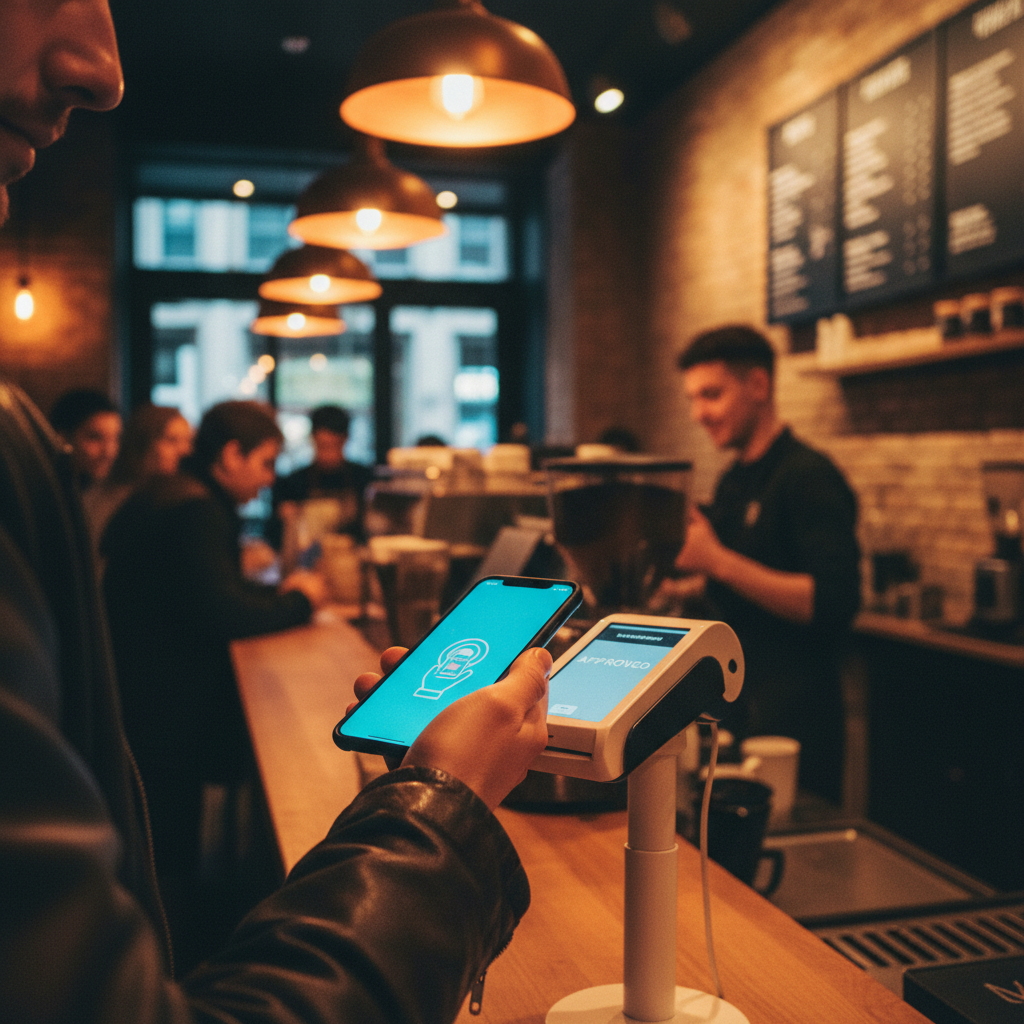
In practice, this means a customer can earn RONET during their morning coffee at a local café in Esposende and immediately apply that value toward a membership at a gym in Braga. The technical backbone of the RONET Wallet blockchain rewards allows for this seamless transfer of value without requiring complex exchange rates or merchant-specific integrations. This level of utility is what drives redemption rates higher than the industry standard of 20 percent. By removing the friction associated with traditional silos, the loyalty experience shifts from a logistical chore into a tangible financial benefit.
This network expansion relies on the deployment of decentralized infrastructure that scales globally. A traveler earning rewards at a boutique in Portugal can redeem those same tokens at a partner shop halfway across the world, provided that merchant is part of the RONIN network. This global reach is a primary reason we are actively seeking country partners to help manage and grow these local clusters into a cohesive international grid. By providing a shared token rather than individual points, we ensure that every participating business benefits from the aggregate foot traffic of the entire network. This model replaces the isolation of the past with a collaborative, high-velocity economy where reward value is preserved, mobile, and universally recognized.
The Power of a Shared Digital Reward Ecosystem for Local Businesses

For a restaurant in Esposende or a boutique gym in Braga, the core challenge is not just attracting a customer; it is competing against the multi-million dollar loyalty budgets of global franchises. Most local businesses currently rely on physical stamp cards or isolated digital apps that fail to drive repeat traffic because they lack a network effect. By joining a shared digital rewards ecosystem, these independent establishments gain the collective gravity of an international infrastructure. Instead of operating in a vacuum, a small cafe becomes a redemption point for value earned across the entire network, effectively turning every other partner business into a lead generator.
Because traditional loyalty programs are broken RONET Wallet blockchain rewards offer a way for small businesses to issue a currency that possesses real, external utility. This shifts the merchant's role from a solitary provider to a key node in a global loyalty grid. This model is particularly effective for high-frequency businesses like bars and cafés, where the ability to use rewards across different categories increases the perceived value of every token issued. When a customer knows their reward is a liquid asset rather than a restricted coupon, their incentive to participate increases exponentially.
To scale this infrastructure, RONIN is actively identifying country partners who can lead the expansion of these decentralized clusters. These partners help local merchants navigate the transition from legacy systems to a blockchain-backed model, ensuring that the network remains robust and localized while maintaining global compatibility. By decentralizing reward issuance, we empower local business owners to offer sophisticated, asset-backed loyalty that was previously the exclusive domain of major corporations.
The future of customer retention lies in moving beyond static, restricted points and embracing a liquid, decentralized ecosystem. By prioritizing user flexibility and digital ownership, businesses can foster deeper connections that traditional systems simply cannot match. Transitioning to these modern frameworks often involves navigating complex technology and strategy. If you want expert help building a sustainable loyalty model, you can learn more about our approach to digital assets; we are here to help you bridge the gap between legacy systems and the next generation of rewards.