RONET is a digital reward token that powers the Ronin Loyalty Network by providing users with secure, blockchain-based incentives for their engagement. These tokens allow customers to own and transfer their rewards across a diverse ecosystem of partners; consequently, small businesses can drive growth through increased trust and flexibility in their loyalty programs.
For years, business owners and customers have been trapped in a cycle of fragmented rewards that hold little real-world value. Traditional loyalty programs often feel like a burden; they are siloed, prone to expiration, and ultimately fail to drive meaningful engagement. This inefficiency represents a massive loss in potential liquidity and customer trust. To solve this, we developed RONET, a digital reward token designed to function as the backbone of a truly borderless loyalty ecosystem. In this guide, we will break down exactly how RONET operates. We explore why tokenization is the superior path for customer retention; and how businesses in Esposende and beyond can leverage this global infrastructure to scale. You will discover how this system moves beyond simple points to offer genuine ownership and utility within the Ronin Loyalty Network.
An Introduction to RONET: The Engine of a Shared Rewards Ecosystem
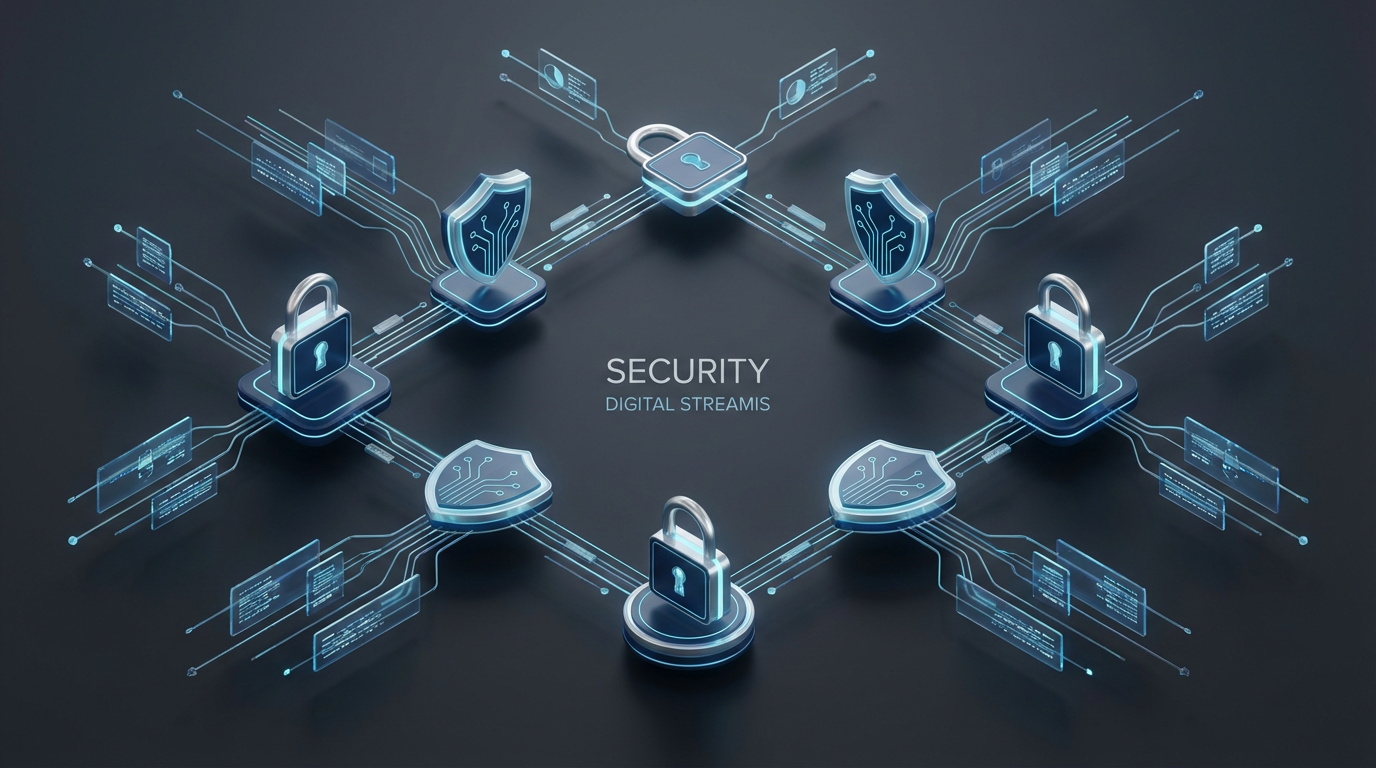
RONET serves as the foundational unit of value within the RONIN network, acting as a native digital reward token designed specifically for real-world utility. While traditional loyalty systems rely on isolated databases and proprietary points that often lack transparency, RONET is built on blockchain technology. This technical architecture ensures that every reward issued is verifiable, secure, and inherently portable.
The primary innovation lies in the creation of a digital rewards ecosystem where businesses in Esposende and across Portugal can join a unified infrastructure. Instead of a local cafe managing a standalone punch card system, they issue RONET, a token that holds value across a growing international network of partner establishments. This shared framework bridges the gap between traditional brick and mortar operations and the modern digital economy, allowing a gym in Braga or a boutique in Esposende to offer rewards that are as functional as global digital assets.
By moving away from fragmented points systems, the network provides a standardized protocol for loyalty. This infrastructure is detailed further in the RONIN litepaper, which outlines how the network scales through country partners to ensure that local businesses remain competitive in an increasingly digitized marketplace. Through RONET, the simple act of customer appreciation is transformed into a sophisticated, interoperable asset.
Why Traditional Loyalty Points Are Broken: The Case for Tokenization
The move toward a unified digital rewards ecosystem is a direct response to the fundamental flaws of legacy loyalty programs. Most consumers are currently trapped in points purgatory, a state where rewards are siloed within individual businesses, often expiring before they reach a redemption threshold or simply being forgotten on a cardboard punch card. These traditional points are not assets; they are merely entries in a private database that the customer does not own and cannot move. This lack of liquidity means the value generated by a customer's loyalty is effectively frozen.
Tokenized rewards, such as RONET, redefine this relationship by converting loyalty into a digital asset stored in a user's personal wallet. Unlike a database entry, a token exists independently of the merchant who issued it. This introduces true digital ownership. When a customer earns RONET at a shop in Esposende, the value is immediate and portable. It does not sit idle as a liability on a single merchant's balance sheet; instead, it becomes a versatile tool the customer actually controls.
This shift addresses the broken nature of points by removing the friction of isolated systems. In a traditional model, value is trapped within a single brand's ecosystem. In a tokenized model, that value travels with the user across the entire network. For small businesses in Braga and beyond, this means their rewards carry more weight because they are part of a larger, functional economy. As outlined in the RONIN litepaper, tokenization is not just a digital upgrade; it is a replacement for a fragmented system that has long failed to provide real value to the modern consumer.
How RONET Works: From Your Local Cafe to a Global Network

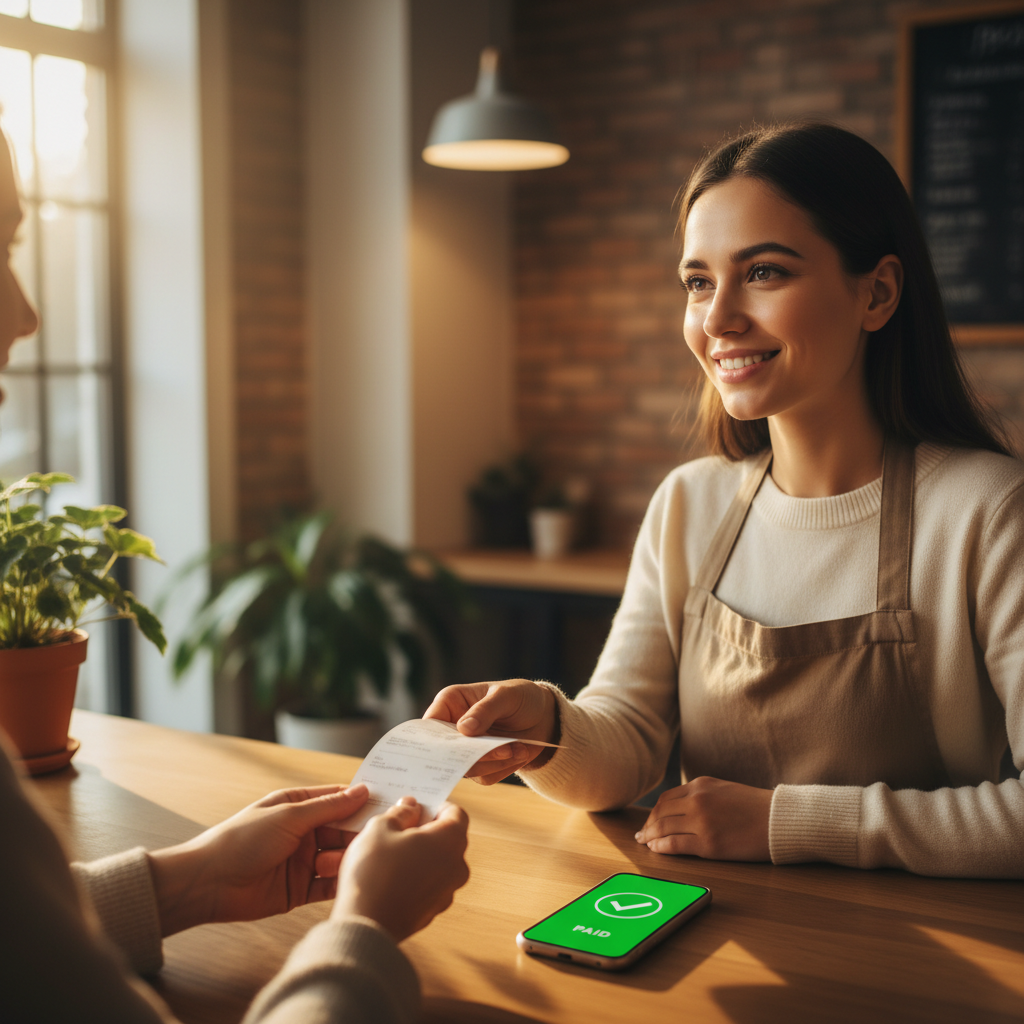
The process of earning and utilizing RONET is designed to be as frictionless as a standard mobile payment, yet it operates on a fundamentally different architectural backend. When a customer completes a transaction at a partner cafe in Esposende or a local gym in Braga, the merchant triggers a reward issuance through the RONIN interface. This event is recorded on the blockchain, and RONET is delivered directly to the customer’s digital wallet. This eliminates the need for physical punch cards or proprietary apps that store data in isolated, private silos.
The true power of this digital rewards ecosystem lies in its inherent interoperability. Because RONET is a standardized token, its utility is not restricted to the specific shop where it was originally earned. A customer can accumulate rewards at their favorite local restaurant in Portugal and later redeem those same tokens at a partner establishment in a different country as the network expands through country partners. This cross-border functionality is managed through decentralized protocols, ensuring that the value remains consistent and recognized across the entire international network without requiring currency conversions or complex merchant agreements.
At the core of this operation are smart contracts, which are self-executing agreements with the terms of the reward program written directly into code. These contracts automate the distribution and redemption of tokens based on pre-defined rules. For the business owner, this automation removes the need for traditional intermediaries like banks or third-party loyalty management firms that typically charge high fees for cross-merchant reconciliation. As detailed in the RONIN litepaper, this decentralized approach significantly reduces administrative overhead and eliminates the risk of manual accounting errors. By removing the middleman, RONIN ensures that the value created by a transaction stays between the business and the customer, providing a more efficient way to foster long-term loyalty.
The Strategic Advantage for Small Businesses in Esposende and Beyond
This efficiency directly addresses the recurring question of whether loyalty schemes are viable for smaller enterprises. Local business owners in Esposende often find that traditional loyalty models demand high upfront costs and constant technical maintenance, making them difficult to sustain. While global corporations have the capital to build proprietary reward systems, independent shops in Braga typically lack the resources for such complex architecture. RONIN solves this disparity by leveling the playing field. By adopting RONET, a small business instantly integrates into a sophisticated global infrastructure that would otherwise be cost-prohibitive to develop independently.
Participation in the network shifts the focus from managing an isolated database to benefiting from a collective digital rewards ecosystem. One of the most significant strategic advantages is the built-in customer acquisition engine. Because RONET is interoperable, a customer who earns rewards at a high-traffic partner gym in Braga is naturally incentivized to explore other network members, such as a boutique in Esposende, to utilize their tokens. This creates a cross-pollination effect where businesses across the region drive foot traffic to one another without the need for individual marketing contracts.
Furthermore, the network simplifies the operational side of customer retention. Business owners do not need to negotiate individual partnerships or manage complex reconciliation as the platform expands through country partners. The backend mechanics, described in detail within the RONIN litepaper, handle the verification and transfer of value automatically. For an independent merchant, this means the focus remains on service and quality, while the blockchain infrastructure handles the heavy lifting of global reward portability.
Ownership and Utility: What RONET Means for the Modern Customer
This shift in infrastructure fundamentally redefines the relationship between a person and the value they generate through their patronage. At the heart of this change is the concept of True Digital Ownership. In a legacy system, points are essentially a promise held on a business's private server, subject to change or deletion at any moment. When a customer earns RONET, the asset is transferred to their own digital wallet. This move from a centralized database to a decentralized ledger means the customer, not the corporation, controls the reward.
This transition answers the core question of what defines Web3 loyalty. It is the evolution of a customer from a passive consumer into an active participant within a digital rewards ecosystem. Beyond simple discounts, the digital nature of RONET allows for sophisticated utility that traditional points cannot match. Because the token is programmable, it can be used to grant exclusive access to events in Esposende, provide early entry to product launches, or even allow for community governance where holders influence future network developments. As detailed in the RONIN litepaper, the platform is designed to support these advanced engagement models as we scale through country partners worldwide. The reward becomes a functional part of a user's digital identity rather than a forgotten entry on a spreadsheet.
Building the First Global Loyalty Infrastructure from Portugal

RONIN originates from Esposende, Portugal, a location that serves as the primary testing ground for a decentralized infrastructure designed to scale globally. The company aims to move beyond regional borders by empowering local shops with tools previously reserved for multinational corporations. This mission bridges the gap between the traditional street-level economy of Braga and the borderless potential of blockchain technology.
To achieve this international reach, the network relies on country partners who act as regional stewards. These partners facilitate the expansion of the digital rewards ecosystem by onboarding local merchants and ensuring the network adapts to specific market needs while maintaining a unified technological standard. This collaborative model allows RONIN to maintain a decentralized structure; it avoids the pitfalls of a single, centralized authority and instead grows through community-led expansion.
While the underlying architecture of RONET is global, its immediate impact is felt locally. By integrating a sophisticated rewards layer into the daily operations of independent gyms, cafes, and shops, RONIN helps these businesses retain value within their own communities. As detailed in the RONIN litepaper, this approach ensures that as the network grows from Portugal to an international scale, the core principles of transparency and local merchant autonomy remain intact. The infrastructure provides a high-tech foundation that transforms how neighborhood businesses interact with a global customer base.
Common Questions About RONET and Blockchain Loyalty
Transitioning from local implementation to global scale often raises practical questions regarding the day-to-day use of blockchain technology. Below are the most frequent inquiries from our partners and users.
Is RONET a cryptocurrency? RONET is a digital reward token rather than a speculative financial asset. While it utilizes blockchain for security and transparency, its primary function is to represent earned value within the network. This distinction ensures that the token remains a stable, practical tool for commerce and customer loyalty rather than a volatile investment.
Do I need to be a tech expert to use it? No technical proficiency is required. The platform abstracts the complexities of blockchain management through a streamlined interface for both merchants and customers. Merchants in Esposende use a simple dashboard to issue rewards, while customers manage their tokens through a mobile wallet similar to standard payment apps. Technical specifications are detailed further in the RONIN litepaper.
How does this help my local community? The system creates a self-sustaining digital rewards ecosystem that incentivizes spending at independent establishments. By allowing rewards earned at a local gym to be redeemed at a nearby cafe, the network keeps capital circulating within the community. As we expand through country partners, this model ensures independent shops remain competitive by leveraging collective customer traffic.
RONET provides a powerful foundation for digital loyalty by offering users tangible value within a decentralized ecosystem. While the potential for growth is significant, implementing these strategies requires a deep understanding of blockchain mechanics. If you want expert help designing a loyalty program that truly resonates with your audience, our team can provide the necessary guidance. You can read more about our work to see how we help brands integrate into the Ronin network. Together, we can build a more rewarding future for your community.