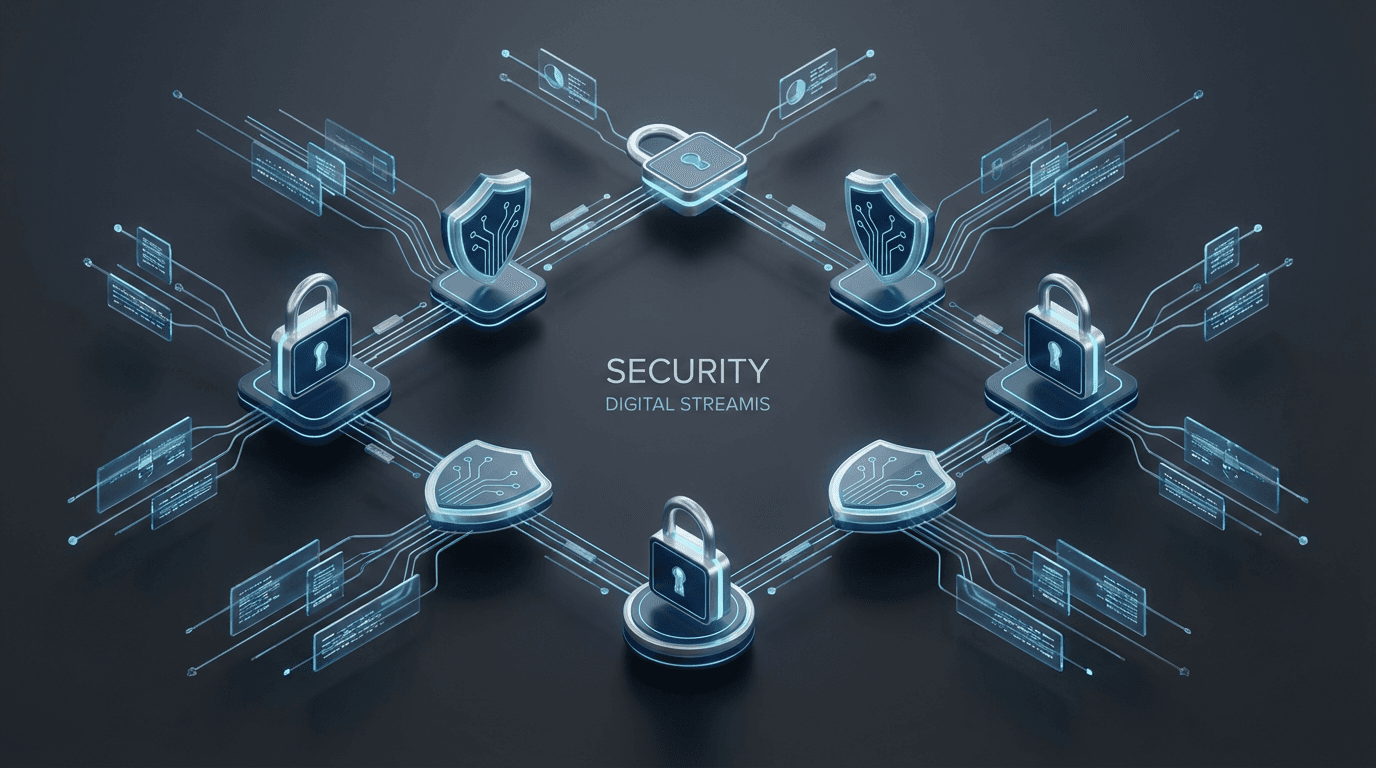

The RONET Wallet loyalty points blockchain rewards system utilizes a three-layer architecture to convert traditional incentives into liquid digital assets through smart contracts. By integrating real-time distribution and cross-platform utility, this ecosystem ensures transparent value and greater flexibility for both brands and consumers.
Most loyalty programs fail because they exist in a vacuum, leaving customers with fragmented points that hold no real-world utility. For the merchant, these siloed systems create administrative overhead without fostering genuine long-term retention. This friction occurs when rewards lack liquidity and transparency; the incentive structure often becomes obsolete before it can scale. By integrating blockchain technology, the RONET Wallet bridges the gap between local transactions and a global digital economy. This transformation ensures that every point earned is a secure, verifiable asset rather than a forgotten entry on a database. In this article, we analyze the three-layer architecture of the RONET ecosystem, from merchant-specific QR experiences to the overarching tokenized infrastructure. You will discover how this tiered approach creates a cohesive loyalty economy that secures value for small businesses and consumers alike.
The Problem with Fragmented Loyalty Points
Modern consumers are experiencing a distinct loyalty fatigue. Most wallets are cluttered with punch cards for coffee shops they rarely visit or digital apps that serve only one specific brand. These isolated systems create a landscape of fragmented value. It is no surprise that one of the most common online search queries is how to convert loyalty points into something tangible or spendable elsewhere.
When rewards are confined to a single merchant, they often expire before they can be used or lack enough individual value to justify a return trip. This outdated model treats loyalty as a one way street where the business holds all the power. Contrast this with the growing demand for a liquid, digital reward token that retains value across different borders and industries.
A restaurant in Esposende or a gym in Braga should not be an island. As detailed in the RONIN litepaper, our ecosystem was designed to solve this fragmentation. The RONET Wallet loyalty points blockchain rewards system moves away from static database entries toward a decentralized infrastructure, providing the liquidity that modern commerce demands. This transformation begins with our unique three layer architecture, which bridges the gap between a local transaction and a global network of country partners.
Layer 1: Local Merchant Points and the QR Experience
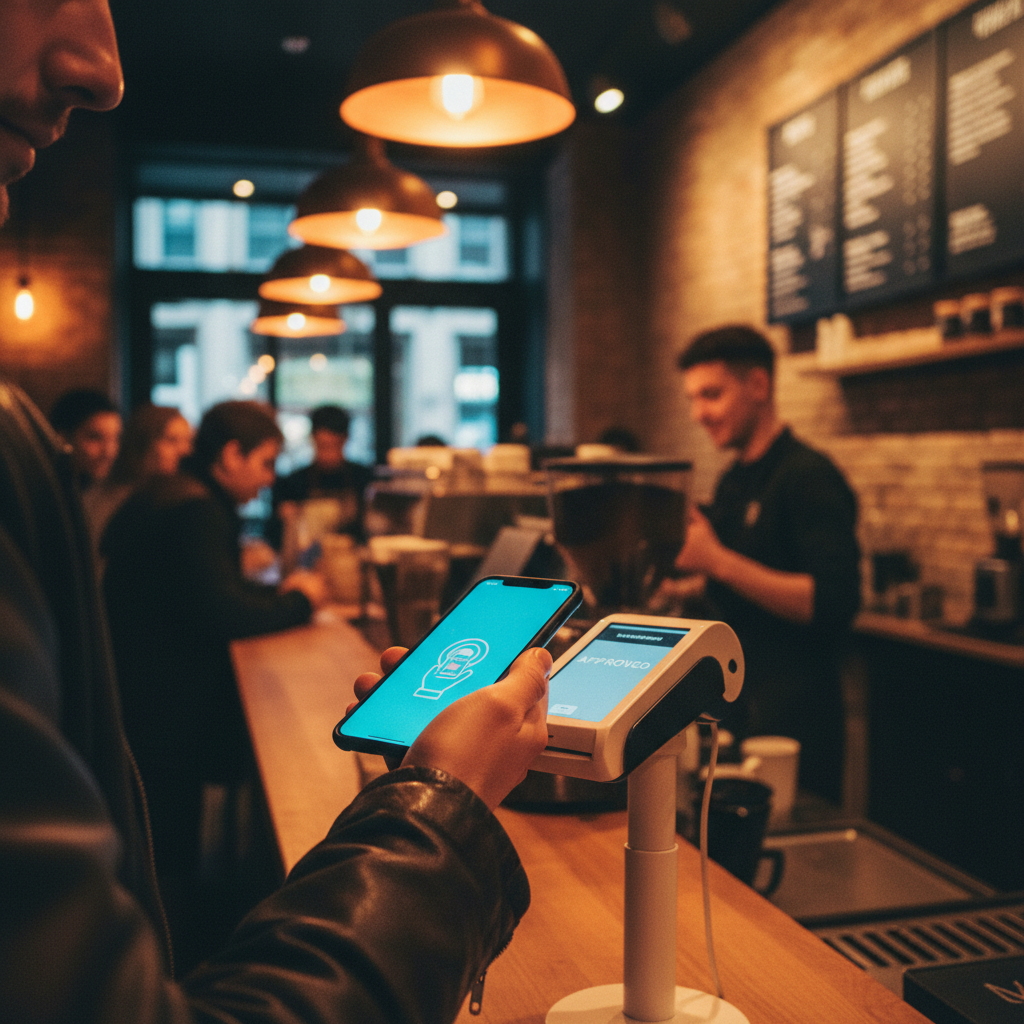
The first layer of the RONET Wallet focuses on the immediate relationship between a customer and their local merchant. This is where the digital transition begins, replacing the physical clutter of punch cards with a streamlined, merchant specific reward system. When you visit a local café in Esposende or finish a session at a gym in Braga, the interaction remains grounded in the local community while benefiting from a global infrastructure.
One common question regarding digital systems is, "What is the QR code for loyalty cards?" In the RONIN ecosystem, the QR code acts as a secure, encrypted bridge for instant transaction verification. By scanning a code presented by the merchant, the wallet records the interaction on the ledger in real time. This replaces manual entry or physical stamps, ensuring that rewards are credited accurately and cannot be lost or duplicated. It is a practical tool for secure identity and transaction management at the point of sale, providing the user with immediate confirmation of their earned value.
While the backend of the RONET Wallet loyalty points blockchain rewards system utilizes advanced decentralized technology, the frontend is designed for simplicity. Users do not need to manage private keys or understand gas fees to earn their points. The experience is as intuitive as any modern banking or retail app. This layer provides the merchant with a dedicated space to offer specific incentives, such as a free coffee after five visits or a discount on a gym membership renewal, without requiring the customer to navigate complex blockchain interfaces.
By keeping the first layer focused on the merchant specific experience, RONIN ensures that small businesses maintain their unique brand identity. As outlined in the RONIN litepaper, this local foundation is essential for building trust before these points are eventually integrated into the broader digital reward token economy managed by our country partners. This structure allows for a familiar user experience while preparing the assets for the next stage of liquidity.
Layer 2: The RONET Token: Bridging Local Business to a Global Network
The transition from local points to a global asset happens at the second layer of the ecosystem. While the first layer secures the relationship with a specific merchant, the RONET token serves as the liquidity bridge. This layer addresses the core requirement for a shared loyalty network multiple businesses can participate in without losing their individual autonomy. By converting merchant specific points into RONET, users unlock value that would otherwise remain trapped within a single shop or gym.
The conversion process is governed by a precise loyalty points calculator within the app. This mechanism ensures that the value earned through local patronage is preserved during the transition to the broader network. Instead of arbitrary devaluation common in traditional point swap schemes, the RONET Wallet loyalty points blockchain rewards system uses a transparent exchange rate. This allows a customer to see exactly how their coffee rewards in Esposende translate into a universal digital reward token that holds weight across the entire RONIN infrastructure.
Once points are converted into RONET, the geographical and industry barriers of traditional loyalty programs disappear. A customer can earn rewards at a family owned restaurant in Portugal and, through the integration of our country partners, utilize that same value at a boutique hotel in another country or a retail shop in a different city. This interoperability is what transforms a simple reward into a functional currency for the global traveler and the local resident alike.
This two way bridge is a critical component described in the RONIN litepaper. It prevents loyalty fatigue by ensuring that every transaction contributes to a growing pool of portable value. Merchants benefit because they are no longer just offering a discount; they are providing an entry point into a global economy. The customer retains the choice: keep points local for specific merchant perks, or move them to the RONET layer to gain the freedom of a borderless rewards network. This flexibility ensures that the utility of the reward always matches the needs of the user, regardless of where they choose to shop.
Layer 3: The Blockchain Infrastructure: Security and Transparency
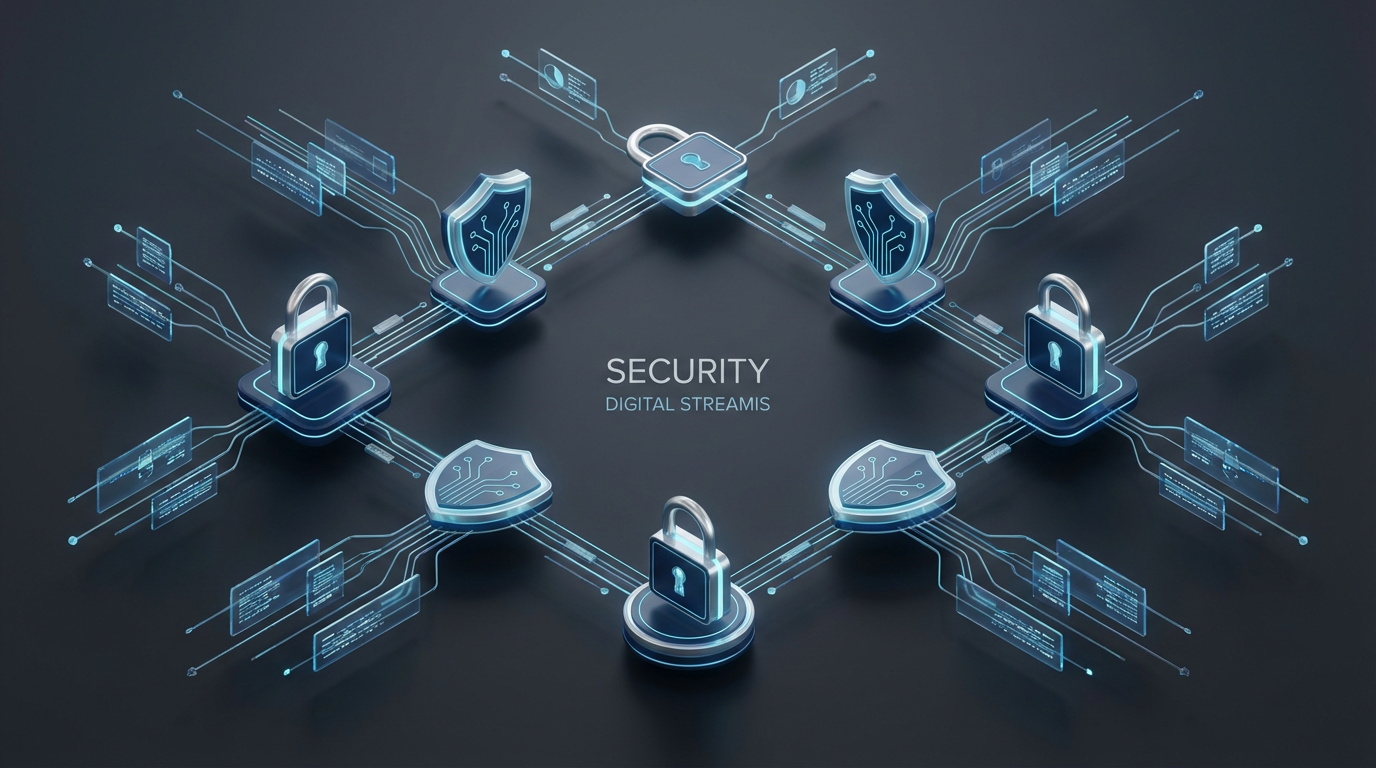
The final layer of the RONET Wallet loyalty points blockchain rewards system is the decentralized infrastructure that separates it from standard retail apps. Unlike generic loyalty programs where points are simply entries in a private database, RONIN utilizes a distributed ledger. This shift in architecture ensures that once a reward is issued, it exists independently of the merchant’s internal servers. Decentralization prevents the arbitrary devaluation of points; the rules of the ecosystem are fixed by the protocol, meaning a business cannot unilaterally expire or delete assets that a customer has already earned.
Smart contracts serve as the trust layer for every transaction. These self executing protocols automate the distribution of rewards based on predefined conditions, such as scanning a QR code or reaching a specific spending threshold. By removing the central middleman, the system eliminates human error and the risk of manipulation. This automation is what defines a true blockchain reward; the process is transparent, verifiable on the ledger, and requires no manual approval from a corporate office. The logic is hardcoded, ensuring that when the conditions of a transaction are met, the reward is delivered instantly and securely.
This technical foundation transforms loyalty points from a temporary liability on a business’s balance sheet into a legitimate digital asset owned by the user. In a traditional system, you do not own your points; you are merely granted permission to use them under the merchant’s current terms. In the RONIN ecosystem, tokenized rewards are held in your personal wallet, giving you true custody of your value. As detailed in the RONIN litepaper, this security model is what allows country partners to scale the network with confidence. By securing value on the blockchain, the digital reward token retains its integrity and utility regardless of changes in individual merchant policies or local market shifts.
How the Shared Rewards Ecosystem Benefits Small Businesses

For a business owner, the transparency of the blockchain layer translates into actionable operational benefits. Small shops in Esposende and Braga often operate in silos, lacking the cross-promotional power and data insights of major international chains. By integrating with the RONET Wallet loyalty points blockchain rewards system, these independent businesses gain access to a "loyalty Portugal" ecosystem. This network allows a local boutique to benefit from the data-driven reach of a global infrastructure. When businesses share a rewards infrastructure, they create a collective gravitational pull that keeps customers within the local economy while offering them the variety of a global network.
This shared infrastructure also solves a significant accounting headache: the liability of unredeemed points. In traditional loyalty models, every point issued sits on the merchant's balance sheet as a debt until it is used or expires. By transitioning to a digital reward token, as outlined in the RONIN litepaper, businesses move these rewards into a liquid economy. Once a customer converts local points into RONET, the individual merchant's direct liability is mitigated through the tokenized pool. This financial flexibility allows small businesses to offer robust rewards without the long-term risk of a bloated balance sheet, supported by the expansion efforts of our country partners who facilitate the network’s growth.
The Future of Your Wallet: From Points to Digital Assets
The three layer architecture of the RONET Wallet loyalty points blockchain rewards system transforms passive collection into an active financial strategy. By integrating local merchant interaction, the RONET token, and decentralized security, the ecosystem ensures that value is never trapped in a single shop. This infrastructure establishes a sustainable economy where customers hold rewards as sovereign digital assets rather than temporary marketing credits.
As RONIN scales through its country partners, it represents the first global loyalty infrastructure built for true interoperability. These rewards are no longer just coupons; they are components of a growing digital reward token ecosystem that maintains utility across borders. This shift, detailed in the RONIN litepaper, redefines the wallet as a portable gateway to a borderless rewards economy that works everywhere you go.
The RONET Wallet demonstrates how a three-layered reward system can transform simple transactions into a thriving loyalty economy. By aligning incentives across different levels, businesses can foster deeper engagement and sustainable value. Implementing such a complex infrastructure requires careful strategic planning. If you want expert help designing a custom reward solution for your specific project, you can learn more About our team and our technical approach. We focus on building digital systems that drive long term growth.