Why traditional loyalty cards are dying is largely due to their reliance on rigid, expiring rewards and physical formats that fail to meet modern consumer demands for real-time, digital flexibility. Today's shoppers favor integrated mobile platforms that offer personalized, shared rewards and frictionless user experiences over cumbersome plastic cards. This transition toward digital-first ecosystems provides the immediate utility and cross-brand accessibility that traditional programs lack.
Your wallet is likely a cemetery for plastic loyalty cards that offer more clutter than value. For business owners, these physical artifacts represent a profound failure in modern customer retention. The punch card is an analog tool attempting to survive in a high friction, digital economy; it creates a fragmented experience where consumers juggle fifteen different programs that ultimately yield zero real loyalty. This disconnect is driving the decline of traditional systems. In this analysis, we will examine the junk drawer reality and the friction gaps that alienate Gen Z. We will also explore why small businesses must abandon the costly pursuit of custom apps in favor of shared digital rewards and blockchain assets. You will learn how to transition from a points based liability to a strategic, interoperable asset that actually secures long term growth.
The Junk Drawer Reality: Why the Punch Card Era is Over

Walk into any household in Esposende or Braga, and you will likely find a loyalty graveyard tucked away in a kitchen drawer or an overstuffed wallet. It consists of dog-eared business cards, faded thermal paper receipts, and plastic fobs that haven't seen a scanner in years. Industry data suggests the average consumer is enrolled in 15 or more different programs, yet they remain active in only a fraction of them. This discrepancy highlights a fundamental breakdown in how businesses attempt to retain customers in a digital-first economy.
The nostalgic buy 10, get 1 free punch card was a functional tool for a slower era. However, it fails to meet the high-speed expectations of today's mobile-first society. When a customer stands at a café counter and realizes their card is sitting on a nightstand or has been destroyed in a laundry cycle, the incentive to return often vanishes. These physical barriers create a friction gap that prevents a meaningful relationship from ever forming.
Physical cards are easily lost, damaged, or simply forgotten; this logistical burden is a primary reason why traditional loyalty cards are dying. For a business, issuing a paper card is often a wasted investment because the breakdown in the customer relationship begins the moment the card is tucked away and forgotten. To remain competitive, local establishments must move toward a global loyalty infrastructure that provides instant accessibility. Relying on physical artifacts in a digital age ensures that rewards remain unredeemed and customers remain unengaged.
The Fragmentation Trap: Why 15 Loyalty Programs Equal Zero Loyalty
The physical clutter mentioned previously is merely a symptom of a deeper systemic failure: the fragmentation trap. While the average consumer is enrolled in over 15 loyalty programs, industry research indicates that true brand loyalty has plummeted to just 29 percent. This loyalty crisis stems from psychological fatigue. For a resident in Braga or Esposende, maintaining separate digital accounts or physical stamps for every local pastelaria, gym, and boutique is mentally taxing. When rewards are siloed, they lose their perceived value, leading to the 50 percent cancellation rate observed in paid programs within their first year.
The fundamental weakness of these legacy systems is isolated value. Points trapped within a single shop are effectively useless to a modern, mobile consumer who expects fluidity. If rewards cannot be leveraged across a broader decentralized reward network, they become liabilities rather than assets. This creates the death of brand switching costs. In the past, the friction of leaving a brand was high because of accumulated value; today, if that value is non-portable and expires faster than milk, the customer has zero incentive to stay.
Metric | Traditional Loyalty Performance |
|---|---|
Average Program Enrollment | 15+ per consumer |
Actual Active Loyalty Rate | 29% |
Paid Program Attrition | 50% within 12 months |
Primary Consumer Complaint | Points expiration and lack of flexibility |
By forcing customers to manage a dozen different walled gardens, businesses inadvertently encourage brand switching. If a customer realizes their rewards are stuck in an ecosystem they rarely visit, they will prioritize cost or convenience over a stagnant balance. This fragmentation is a primary reason why traditional loyalty cards are dying. To capture the attention of today’s value-conscious consumer, rewards must move toward a global loyalty infrastructure that ensures portability. As we expand our reach through country partners, the goal is to replace this fragmentation with a unified, liquid asset that retains its worth regardless of where it was originally earned.
The Friction Gap: Registration Hurdles and Lost Value
Building on the fragmentation of value, the immediate hurdle for any consumer is the friction gap found at the point of registration. In a busy storefront in Braga, asking a customer to fill out a paper form or download a clunky, brand-specific app is often a deal-breaker. These hurdles consume time and mobile storage, creating a negative experience before the first reward is even earned. This initial resistance is a major factor in why traditional loyalty cards are dying. If the barrier to entry is too high, the customer simply opts out, leaving the business with no way to track or encourage return visits.
Beyond the signup, the most significant frustration arises from the vanishing value of points. Many legacy systems are designed with expiry dates that cause rewards to disappear faster than milk. When a customer discovers their accumulated balance has been wiped due to arbitrary terms and conditions, the resulting resentment is more damaging than having no loyalty program at all. A decentralized reward network solves this by ensuring rewards are tangible assets rather than temporary credits. By adopting a global loyalty infrastructure, businesses can replace these high-friction, low-trust models with a system that respects the customer's time and effort.
Friction Point | Traditional Loyalty Impact | Digital-First Solution |
|---|---|---|
Onboarding | Paper forms or bulky apps | Instant digital wallet integration |
Reward Longevity | Expiry dates and "use-it-or-lose-it" | Permanent, customer-owned tokens |
Transparency | Hidden terms and conditions | Blockchain-verified asset ownership |
Gen Z and the Digital First Mandate: Why Expectations Have Changed
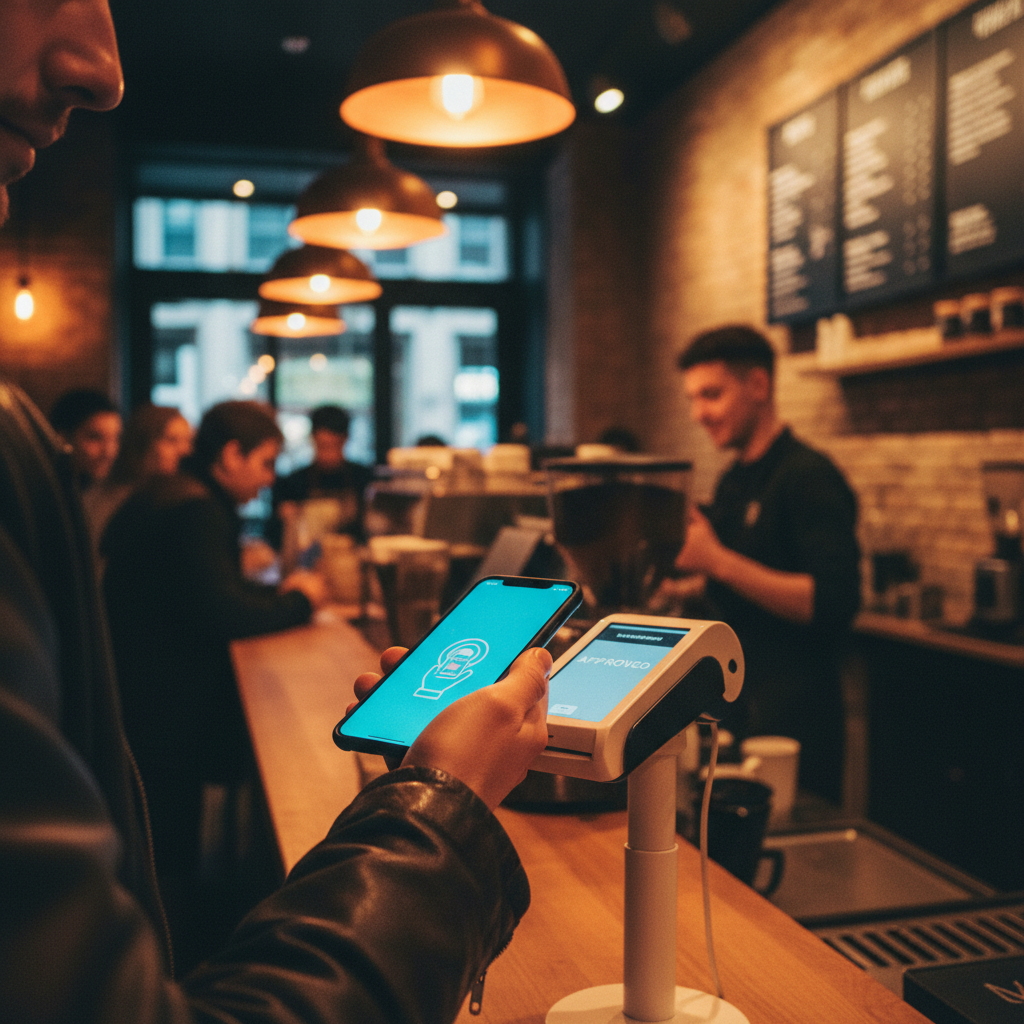
This friction is particularly repellant to Gen Z and younger Millennials who now dictate market trends. There is a common misconception that Gen Z is less brand loyal than previous generations; in reality, they are simply more value conscious. They reject the loyalty for loyalty’s sake model in favor of instant gratification and radical transparency. For a young professional navigating the tech hubs of Braga or the coastal shops of Esposende, the expectation is a mobile-first experience that integrates seamlessly with their digital lifestyle.
This demographic views rewards not as a gift from a corporation, but as a form of currency earned through their engagement. They prioritize real world utility and sustainability, favoring assets that hold long term value. When a reward is locked within a physical card or a single-use app, it fails the utility test. This is a central reason why traditional loyalty cards are dying. To Gen Z, a stamp on a piece of cardboard is a relic. A digital token that functions within a global loyalty infrastructure is an asset that matches their pace.
Preference | Traditional Loyalty | Gen Z Digital Mandate |
|---|---|---|
Primary Interface | Physical card or paper | Smartphone/Digital Wallet |
Reward Speed | Delayed (Buy 10) | Instant and actionable |
Underlying Value | Proprietary points | Liquid, shared assets |
Sustainability | Paper and plastic waste | Digital, eco-friendly ledger |
By participating in a decentralized reward network, businesses meet the demand for transparency. These consumers want to know exactly what their loyalty is worth and where they can spend it. As RONIN expands with country partners to build a more robust ecosystem, the utility of these digital tokens only increases. They aren't looking for a free coffee that requires months of manual tracking; they are looking for a digital ecosystem that rewards their mobility and respects their preference for portable assets over clutter.
The Small Business Struggle: Why Custom Apps Are Not the Solution

Many independent businesses in Esposende or Braga believe the answer to digital demand is commissioning a custom mobile app. However, this strategy often leads to a cycle of high costs and low engagement. Development for a single boutique or local pastelaria is prohibitively expensive, requiring ongoing updates for security and operating system compatibility. Even if a business invests thousands in a custom platform, the barrier of app fatigue is nearly insurmountable. Most users refuse to sacrifice limited phone storage for a tool they use once a week at a single location.
Individual apps lack the essential network effect required to keep a customer engaged. When rewards are locked within one shop's private ecosystem, they become another version of the fragmented systems that explain why traditional loyalty cards are dying. For a small business, trying to compete against global chains with a standalone app is a losing battle of overhead versus utility.
Barrier | Custom App Impact | Shared Infrastructure (RONIN) |
|---|---|---|
Initial Investment | High (Thousands of Euros) | Minimal entry cost |
Customer Friction | Requires new download and account | Instant access via existing wallet |
Maintenance | Business owner's responsibility | Managed by the network |
Utility | Single-store only | Cross-border, multi-merchant |
RONIN provides a global loyalty infrastructure that levels the playing field. Instead of bearing the burden of software development alone, local establishments join a decentralized reward network. This shared ecosystem allows a family owned cafe in Braga to offer the same digital sophistication as a multinational brand. By working with our country partners, businesses tap into a pre-existing audience of users already holding RONET tokens, turning a solitary struggle into a collective advantage.
The Blockchain Evolution: Moving From Points to Shared Assets

The shift from traditional loyalty programs to a blockchain-based system represents a move from temporary credits to permanent ownership. In the old model, businesses issued points that functioned as internal IOUs; these were often subject to arbitrary expiration or devaluation by the issuing company. By transitioning to a decentralized reward network, the ownership of value shifts from the brand to the consumer. This is achieved through the RONET token, a digital asset that operates on a transparent ledger. Unlike a paper card that can be lost or a digital point that can be erased by a database error, a token on a blockchain is a secure, immutable asset held directly by the customer.
This evolution introduces the concept of Loyalty as a Platform, where rewards are no longer siloed. A customer earning RONET at a boutique in Esposende can redeem that same value at a fitness center in Braga or a partner shop across the globe. This portability is the primary reason why traditional loyalty cards are dying; they simply cannot compete with the liquid utility of a shared ecosystem. When rewards are interoperable, they gain the characteristics of a real-world asset. Customers are more likely to engage with a program when they know their rewards have a tangible, tradable value that is not confined to a single merchant.
Feature | Traditional Loyalty Points | RONET Tokens |
|---|---|---|
Asset Ownership | Held by the merchant | Held by the customer |
Utility Range | Restricted to one brand | Cross-merchant and international |
Longevity | Frequent expiration dates | Permanent on the blockchain |
System Trust | Opaque, internal database | Public, verifiable ledger |
By building a global loyalty infrastructure, RONIN ensures that small businesses and international chains alike can participate in a high-trust environment. This system eliminates the risk of rewards being taken away or changed without notice, fostering a deeper, more authentic connection between the business and the consumer. As we collaborate with country partners to scale this network, the utility of each token increases, transforming loyalty from a passive marketing expense into a robust, shared digital economy.
The landscape of customer retention is changing rapidly. Moving away from physical cards toward shared digital systems allows brands to offer more value while gathering better data. While the transition requires a strategic approach, the long-term benefits for engagement are significant. If you want expert help building a modern rewards ecosystem tailored to your business, we can guide you through the process. You can learn more about our team and how we help brands adapt to these evolving digital trends.