A shared loyalty network cross business rewards program allows customers to earn and redeem a single, tokenized asset across multiple independent merchants within a unified ecosystem. By leveraging blockchain technology, these programs provide real digital ownership and interoperability; this enables small businesses to offer more flexible rewards than traditional siloed systems.
Most small business owners watch their loyalty programs stagnate in a state of points purgatory. Customers are tired of managing a dozen different apps for rewards that rarely accumulate into anything meaningful. This fragmented approach fails to drive repeat visits; it leaves valuable marketing capital locked in systems that consumers eventually abandon. By shifting to a shared loyalty network, businesses can transform isolated transactions into a cohesive economic community. This article examines the mechanics of cross business rewards powered by the RONIN ecosystem. You will learn how a unified token enables frictionless value exchange between local retailers, fitness centers, and restaurants. We will detail the specific ROI benefits for entrepreneurs and explain how blockchain technology removes traditional barriers to entry for neighborhood wide integration.
The Problem with Points Purgatory: Why Traditional Loyalty is Broken

Modern loyalty programs are fundamentally fragmented. While the average consumer is now enrolled in approximately 16 different memberships, the reality of points purgatory means these rewards often go unused, forgotten, or expired. This stagnation happens because most businesses still operate on a siloed, transaction-based model. Your rewards are trapped within a single merchant’s proprietary database, creating a friction-filled experience where value is promised but rarely realized.
In a typical day in Esposende or Braga, a customer might visit a gym, a specialty cafe, and a local retail shop. Under traditional systems, these are three disconnected interactions. Each requires its own app or physical card, and the small amount of credit earned at one cannot help the customer at the next. This lack of interoperability is the primary failure of legacy loyalty. For the business owner, it means your reward often feels like a burden to the customer rather than a genuine benefit. When points are difficult to track or redeem, they lose their psychological value as an incentive.
The current system ignores how people actually live. A modern consumer shops across multiple categories daily and expects their value to move with them. When rewards are locked behind rigid expiration dates and technical barriers, the connection to the brand weakens. To solve this, the industry must shift away from isolated databases and toward a shared loyalty network cross business rewards. By learning about the RONIN network, businesses can see how moving rewards from a private ledger to a shared infrastructure changes the consumer relationship from a series of one-off transactions into a continuous ecosystem of value.
What is a Shared Loyalty Network with Cross Business Rewards?

A shared loyalty network cross business rewards is a collaborative ecosystem where independent merchants unite under a single reward currency. In traditional marketing, this is known as a coalition loyalty program. Historically, these programs required a massive central corporation to act as a middleman, owning all the customer data and managing a private database. This created a high barrier to entry for local shops and often led to a lack of transparency for the consumer.
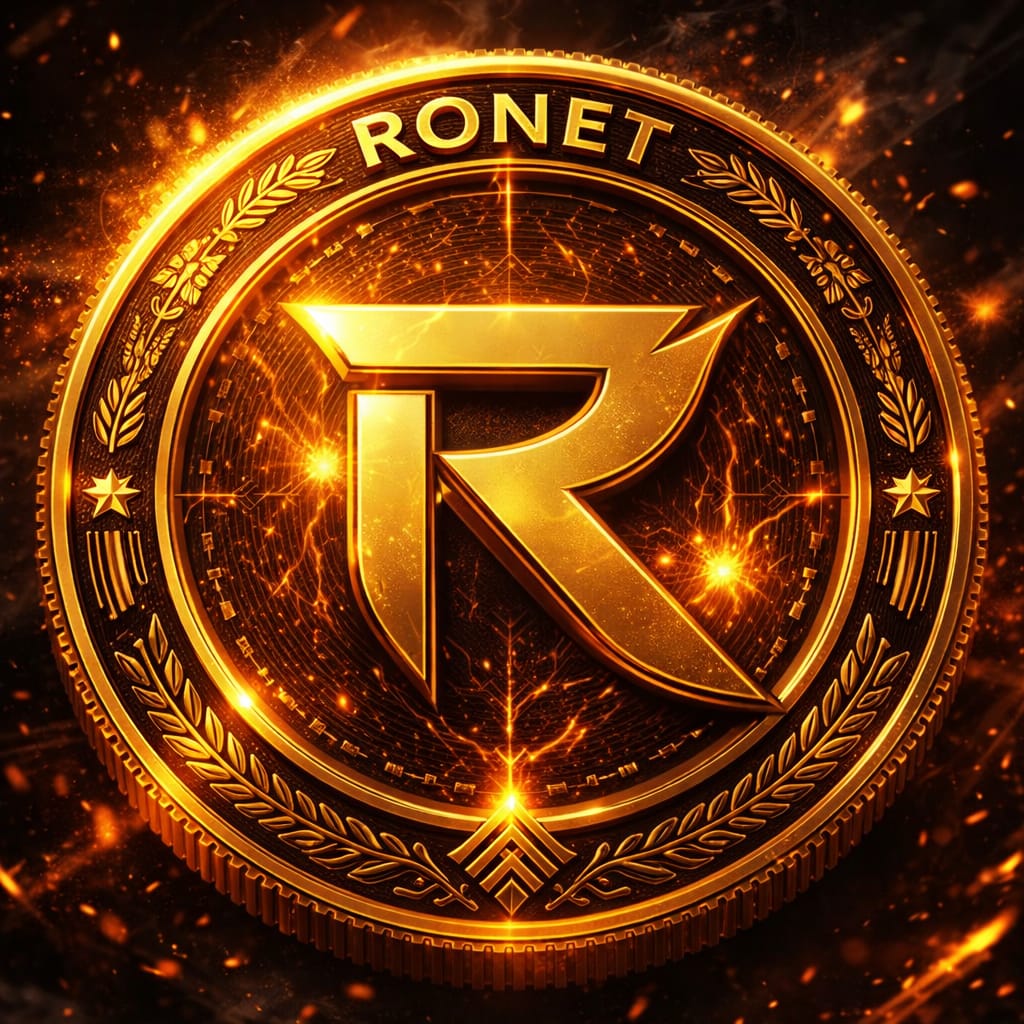
RONIN evolves this concept by moving the infrastructure onto the blockchain. Instead of a central company holding the value in a closed ledger, the rewards exist as RONET tokens. This distinction is critical because it shifts ownership from the business to the customer. When a user earns RONET, they hold a digital asset in their own wallet rather than a line item in a merchant's private database. This transparency ensures that rewards are verifiable and governed by clear rules, preventing the common problem of points simply vanishing from a system.
For the business owner in Braga or Esposende, this creates a plug and play loyalty experience. A gym, a specialty cafe, and a local retail shop can all speak the same reward language without the need for complex, expensive technical integrations between their respective point of sale systems. By adopting a shared loyalty network cross business rewards, these businesses form a decentralized alliance. They pool their influence to keep local spending within the neighborhood while offering customers a level of utility that a single shop could never provide alone. This system recognizes that a customer’s daily life involves multiple stops; their loyalty rewards should be flexible enough to follow them from their morning workout to their afternoon coffee.
How the RONIN Ecosystem Bridges Real World Business and Digital Rewards
The bridge between a physical storefront in Esposende and the RONIN ecosystem is built on a streamlined digital interface. For a local business owner, the process is designed to be as intuitive as processing a credit card payment. There is no need for a deep understanding of distributed ledgers or private keys; instead, the merchant interacts with a straightforward platform that manages the issuance of RONET tokens based on customer spend.
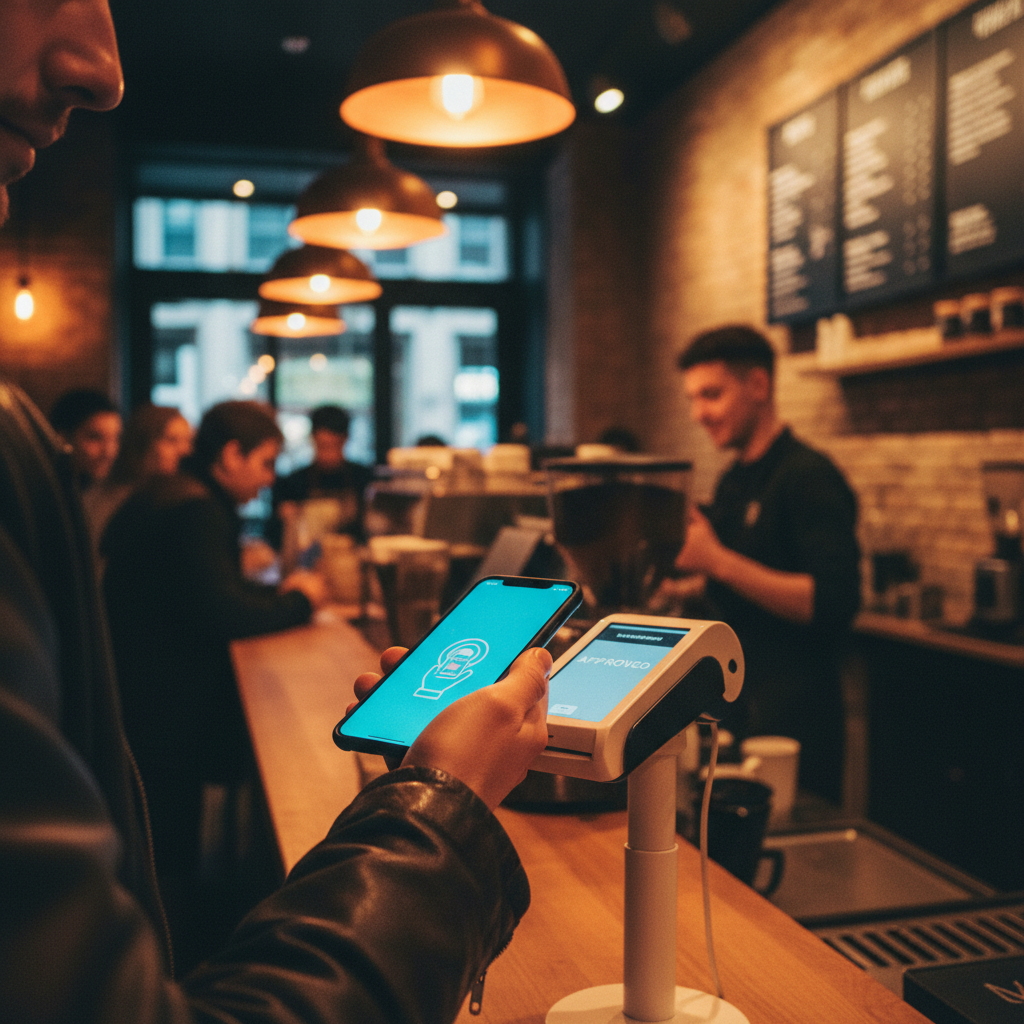
When a customer completes a purchase at a partner establishment in Braga, they simply scan a unique QR code at the point of sale. This action triggers the immediate transfer of rewards. Unlike traditional systems where points might take 24 to 48 hours to appear in a merchant's private database, RONET tokens are immediately visible in the customer’s digital wallet. This real-time confirmation creates an instant positive feedback loop that strengthens the bond between the merchant and the patron. The process removes the friction of physical cards or manual data entry, ensuring that the technology stays in the background while the value remains at the forefront.
This infrastructure transforms how local businesses perceive loyalty. Rather than managing a siloed project, owners are joining a shared loyalty network cross business rewards where their individual value is amplified by their neighbors. A cafe owner in Esposende benefits when their customers earn rewards that are also valid at a nearby gym or retail shop. By choosing to become a country partner or a founding merchant, businesses gain access to a global loyalty infrastructure without the overhead of building proprietary technology. This collaborative approach ensures that rewards remain liquid and valuable, moving seamlessly between the physical world of commerce and the digital world of secure, owner-operated assets.
A Day in a Connected Neighborhood: Earning at Ronin Grill and Redeeming at the Gym
Consider a Tuesday afternoon in Palmeira de Faro. A customer stops for lunch at Ronin Grill, pays their bill, and scans a QR code at the counter. Within seconds, RONET tokens are deposited into their digital wallet. In a traditional system, those points would be stuck at the grill, waiting for the customer to return specifically for more food. Within a shared loyalty network cross business rewards, that value is immediately portable.
How do shared loyalty programs work in practice? They function by using a unified digital asset that acts as a bridge between independent merchants. After finishing lunch, that same customer can walk to a partner gym in Esposende or a yoga studio in Braga. Instead of paying the full drop-in rate, they use the RONET earned at lunch to unlock a discount on their afternoon session. The rewards from a meal directly subsidize their wellness routine.
This interoperability is the core strength of the RONIN infrastructure. The value is not siloed; it flows through the neighborhood. A customer might earn tokens at a cafe, use a portion to pay for a car wash, and save the rest for a boutique purchase later that day. This creates a high-velocity ecosystem where rewards are constantly moving, ensuring that the consumer sees tangible, daily utility in every transaction they make within the network.
The ROI for Small Businesses: Why Cross Industry Loyalty Wins
Data indicates that loyal customers account for approximately 65% of a typical company’s revenue. For independent businesses in regions like Braga and Esposende, this statistic highlights a critical reality: financial sustainability depends less on the constant pursuit of new foot traffic and more on the retention and frequency of the existing customer base. However, as traditional advertising costs rise, the price of acquiring that first visit becomes a significant burden for small margins. A shared loyalty network cross business rewards solves this by transforming the local economy into a collaborative acquisition funnel.
When a merchant joins the RONIN ecosystem, they effectively pool their marketing reach with every other partner in the neighborhood. A customer who earns RONET tokens at a specialty shop is naturally incentivized to spend them at a nearby cafe or fitness center within the same network. This cross-pollination reduces individual customer acquisition costs because the network itself serves as a discovery engine. You are no longer marketing in a vacuum; you are tapping into the established, trusted customer bases of your neighbors.
Business Metric | Impact of Shared Loyalty |
|
|---|---|---|
Revenue Stability | 65% of income driven by repeat, loyal patrons |
|
Acquisition Strategy | Lowered costs via cross-merchant referrals |
|
Market Position | Early adopter status in a global digital infrastructure |
The Founding Merchants initiative offers a strategic advantage for those who join during the initial rollout. By becoming an early adopter in the Esposende or Braga digital ecosystem, a business secures its position as a primary destination for RONET holders before the market becomes saturated. This first-mover status allows a shop to help define the local reward culture and build long-term equity with the network's most active users. Businesses ready to lead this transition can become a country partner or join as foundational members to ensure their brand remains at the center of the neighborhood's spending habits. By learning more about the RONIN network, owners can move beyond isolated, expensive marketing tactics and toward a high-velocity, shared value model.
The Technology Behind the Scenes: Blockchain without the Complexity

The primary reason traditional loyalty systems fail is their reliance on centralized, private databases that operate like it is 2008. In those models, points are merely entries in a merchant's ledger, vulnerable to sudden expiration, technical errors, or policy changes that the customer cannot control. A loyalty reward program on the blockchain replaces this fragile architecture with a distributed ledger. Instead of earning points that sit in a company's silo, customers receive blockchain rewards in the form of RONET tokens. These are digital assets that live in the customer’s wallet, governed by clear software rules rather than opaque corporate whims.
Blockchain rewards solve the transparency issue by making every transaction verifiable. For a business in Esposende or Braga, this means the disappearing points problem is eliminated. When a merchant issues RONET, the transaction is immutable; the ledger provides a permanent record that cannot be altered or deleted. This security ensures that the value promised to a customer is the value they actually hold. By utilizing a shared loyalty network cross business rewards, the technology allows different industries to interact safely. A boutique can accept tokens earned at a gym because the blockchain serves as a universal, trusted truth that confirms the token's validity and ownership.
The sophistication of the RONIN infrastructure lies in its invisibility. While the back end utilizes advanced tokenization, the front end remains focused on a friction-free experience. The best system is one where the consumer does not even realize they are interacting with a blockchain. They simply scan a code, see their balance grow, and spend their rewards as easily as cash. To understand more about the RONIN network and how this technology simplifies operations, business owners can become a country partner to help lead the expansion of this global infrastructure.
Implementing a shared loyalty network transforms how neighborhood businesses interact with their customers by creating a unified reward ecosystem. By using a single token to power local commerce, you can simplify the user experience and drive higher engagement across the board. If you want expert help building a similar framework for your community, our team provides the strategic guidance needed for success. You can learn more about our mission to bridge the gap between technology and local business growth.